When is Christmas Over in 2025: A Multifaceted Exploration of the Festive Season’s Conclusion
The crisp winter air, the twinkling lights, the joyous carols, and the warmth of shared moments – Christmas is a season that captivates hearts worldwide. But as the last present is unwrapped and the final festive meal consumed, a question inevitably arises, often tinged with a mix of relief and melancholy: "When is Christmas over?" In 2025, as in any year, the answer to this seemingly simple query is anything but straightforward. It’s a complex tapestry woven from commercial realities, ancient religious traditions, diverse cultural practices, and deeply personal sentiments. There isn’t a single, universally agreed-upon date when the magic officially dissipates; rather, Christmas concludes in various stages, each marking a different kind of ending for different people.
For many, the practical and commercial end of Christmas arrives with a startling abruptness, almost immediately after the culmination of Christmas Day itself. December 26th, known as Boxing Day in many Commonwealth countries, ushers in a swift transition from festive indulgence to pragmatic post-holiday activities. In 2025, Boxing Day falls on a Friday, extending the potential for a long weekend of post-Christmas sales and returns. This day marks the unofficial beginning of the "clearance" period, where retailers pivot from selling festive goods to liquidating inventory, often at significant discounts. The elaborate window displays begin to be dismantled, replaced by stark "Sale" signs. For consumers, it’s a day for exchanging unwanted gifts, hunting for bargains, or simply returning to the mundane realities of grocery shopping and routine errands. The festive music on the radio gives way to regular programming, and the general public consciousness shifts from anticipation and celebration to reflection and recovery. For many, especially those without strong religious ties, the commercial end of Christmas on December 26th is the most tangible sign that the holiday period is, for all intents and purposes, "over." The peak of consumerism has passed, and the focus rapidly shifts towards the upcoming New Year.
However, the commercial end is but one facet of the answer. For millions around the globe, particularly those adhering to Christian traditions, the conclusion of Christmas is marked by specific liturgical dates that extend well beyond December 25th. The most widely recognized of these is the Feast of the Epiphany, celebrated on January 6th. In 2025, this falls on a Monday. Epiphany, also known as Three Kings’ Day, commemorates the visit of the Magi (the Three Wise Men) to the infant Jesus, signifying the manifestation of Christ to the Gentile world. Historically, and for many Christian denominations today, Epiphany marks the official end of the Twelve Days of Christmas. These twelve days begin on Christmas Day (December 25th) and conclude on the evening Very merry christmas party cost a comprehensive guide to budgeting your festive celebration of January 5th, known as Twelfth Night.
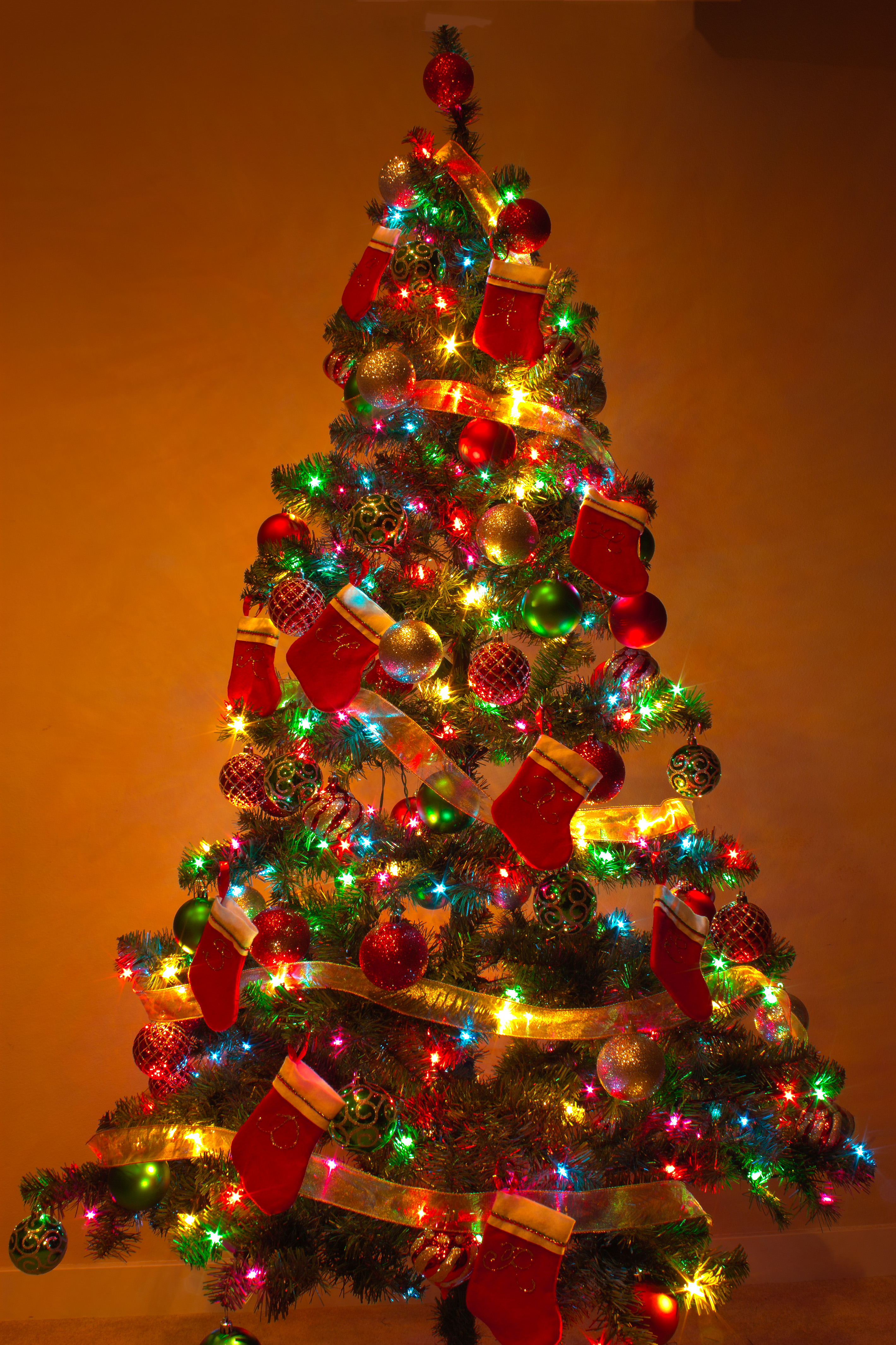
Twelfth Night, the eve of Epiphany, holds significant cultural and traditional importance. It is traditionally the last day for feasting and revelry, and crucially, the day when Christmas decorations are taken down. Superstition dictates that leaving decorations up beyond Twelfth Night brings bad luck. This tradition, deeply embedded in many European cultures, provides a clear, ritualistic end to the festive season. The act of carefully packing away ornaments, lights, and garlands serves as a symbolic closing of the Christmas chapter, returning homes to their pre-festive state. For those who observe this tradition, Christmas is definitively "over" once the last bauble is stored away on January 5th or 6th.
While Epiphany signifies the end of the traditional "Twelve Days," some Christian traditions extend the Christmas season even further. The Feast of the Presentation of Jesus at the Temple, also known as Candlemas, on February 2nd, marks an even later liturgical conclusion to the Christmas cycle for some. In 2025, Candlemas falls on a Sunday. Celebrated 40 days after Christmas, Candlemas commemorates the purification of the Virgin Mary and the presentation of Jesus at the Temple in Jerusalem. Historically, this was the final day when Christmas decorations were permitted to remain in churches and some homes, particularly in older Catholic traditions. The removal of the Nativity scene and other Christmas adornments on Candlemas truly signals the absolute end of the Christmas period, bridging the gap between the Nativity and the beginning of the Lenten season. For those who follow this tradition, Christmas 2025 truly isn’t "over" until the start of February.
Beyond these specific dates, cultural and global perspectives add further layers of complexity to "when Christmas is over." For many, the transition from one year to the next provides a natural, albeit secular, demarcation point. New Year’s Day (January 1st) in 2025, a Wednesday, often serves as the practical end to the holiday period for the general populace. Most people return to work or school after this date, and the extended holiday atmosphere begins to dissipate. While some festive Hallmark schedule for january a winter wonderland of new beginnings and cozy romance cheer may linger, the focus shifts to New Year’s resolutions, planning for the year ahead, and settling back into routine. The celebratory energy of Christmas is replaced by the fresh start of a new calendar year.
Furthermore, it’s important to acknowledge that Christmas itself is not celebrated on December 25th by all Christians. Orthodox Christians, who follow the Julian calendar, celebrate Christmas on January 7th. In 2025, this falls on a Tuesday. For these communities, the Christmas season is only just beginning when much Days before christmas countdown a journey into festive anticipation of the Western world is already packing away its decorations. This means that globally, the festive spirit of Christmas extends well into the second week of January, with celebrations, carols, and family gatherings occurring later for a significant portion of the Christian world. This staggered celebration across different calendars ensures that the global "Christmas season" is a prolonged affair, defying a single universal end date.
Other cultural traditions also influence the perceived end of Christmas. In many Latin American countries and parts of Spain, Día de los Reyes Magos (Three Kings’ Day) on January 6th is often a more significant gift-giving occasion than Christmas Day itself, especially for children. This means the festive anticipation and celebrations continue right up to Epiphany, making it the definitive end of their holiday season. In Italy, the figure of La Befana, a kindly witch who delivers gifts on the eve of Epiphany, extends the festive magic for children until January 6th. These regional variations underscore that the "end" of Christmas is deeply intertwined with local customs and beliefs.
Finally, and perhaps most profoundly, the question of "when is Christmas over" is deeply personal and emotional. For some, the magic begins to fade the moment the last gift is opened on Christmas morning, replaced by a sense of exhaustion or the pressure of post-holiday tidying. For others, the spirit of Christmas lingers for days or even weeks, sustained by the warmth of family memories, the glow of lingering decorations, or the continued enjoyment of festive treats. The "post-holiday blues" are a real phenomenon for many, marking the emotional end of a period of heightened joy, social connection, and anticipation. The dismantling of decorations, whether on Twelfth Night or later, can be a poignant moment, signaling the definitive end of the festive chapter in one’s home. Yet, for many, the true spirit of Christmas—the messages of peace, goodwill, and generosity—is not confined to a specific date but rather resides in the heart, enduring throughout the year.
In conclusion, "when is Christmas over in 2025" has no singular, definitive answer. It concludes in stages, reflecting the multifaceted nature of the holiday itself. For the commercial world, it’s largely over by December 26th. For traditionalists and many Christians, it concludes on January 6th with Epiphany. For some deeper religious observances, it extends to Candlemas on February 2nd. For those following the Julian calendar, Christmas celebrations are only just beginning in early January. And for each individual, the end is a subjective experience, shaped by personal feelings, family traditions, and the return to daily routines. This rich tapestry of endings ensures that the Christmas season, in its various forms, offers a prolonged period of reflection, celebration, and transition, before the world fully embraces the new year and looks forward to the next festive cycle.


More suggestions: Bbc christmas uk tv a festive feast for the nation Operation christmas child videos a glimpse into the future of impact storytelling